
Kurt Russell Just Cleared up Walt Disney's 'Final Words' Mystery
The actor addresses the famous studio legend of the note found on Walt's desk in 1966.
3 min read
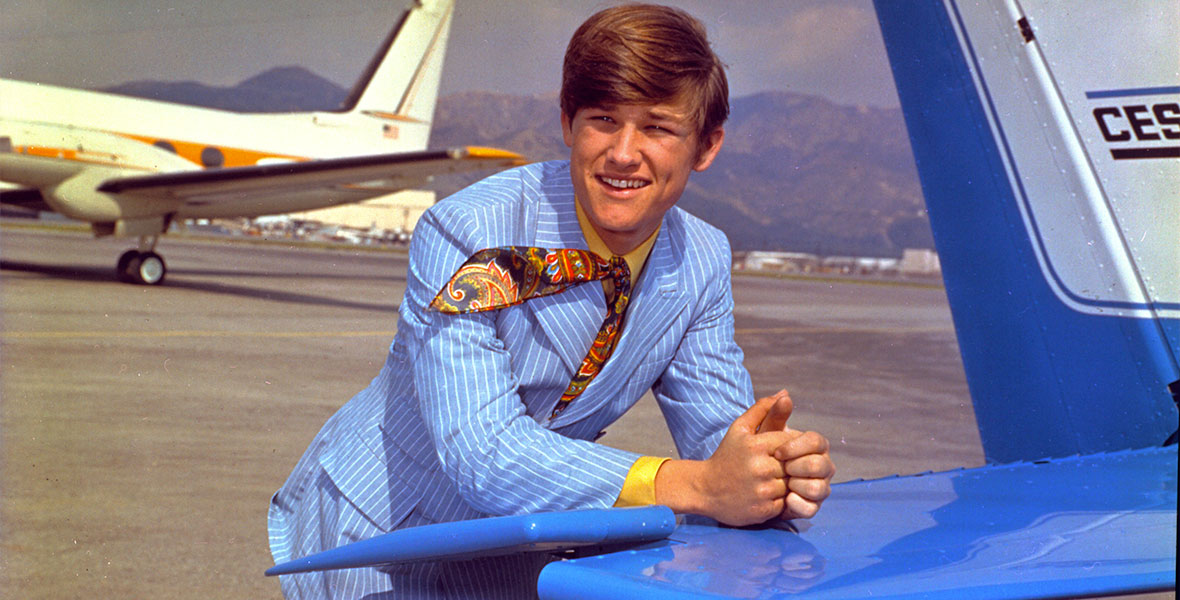
Few pieces of theme-park and Hollywood trivia are as stubbornly persistent as the legend of Walt Disney’s final words. For decades, the story has bounced around forums and social media: as Walt lay dying of lung cancer in December 1966, he reportedly scribbled the name of a 15-year-old child actor—Kurt Russell—on a piece of paper, leaving a cryptic, Citizen Kane-style "Rosebud" mystery behind.
Now, the Disney Legend himself has once again cleared the air about what actually went down in Walt's final days, and his story is a fascinating look into how studio history is preserved.
During a recent video interview with Deadline, Kurt Russell was asked about his connection to Walt’s famous final memo. Russell, who was officially named a Disney Legend in 1998, recalled the surreal moment he was brought into the executive offices at the Burbank studio shortly after Walt’s passing on December 15, 1966.
"They pulled me into the office a couple years after he died, and this woman — who I don't believe it was his secretary, but it might've been, I don't know ― pointed to [something he wrote] and she said, 'Do you know what that's about?' And I said, 'No, I don't.' [She said], 'Because he wrote something after it. But then he went back up and he wrote your name. That was the last thing he wrote.' And I said, 'Oh gee. I don't know what it's connected to.'"
— Kurt Russell, Disney Legend
Deconstructing the Myth
To understand why this note existed, you have to look at where Walt’s head was in late 1966. He wasn’t frantically scrawling names from a hospital bed in some dramatic final scene. Instead, the piece of paper was a routine office memo found on his desk by Dave Smith—the man who would go on to found the official Walt Disney Archives.
The document was titled "TV Projects in Production: Ready for Production or Possible for Escalation and Story." Walt was a workaholic, and even as his health declined, he was constantly brainstorming future film, television, and theme park projects—including early concepts for what would eventually become EPCOT and Walt Disney World.
At the very bottom of that list, Walt had jotted down a few hand-written names and phrases:
- Ron Miller (Walt's son-in-law and a studio producer)
- 2 Way Down Cellar (an early title concept for a project)
- Kirt Russell (with Kurt's first name misspelled with an "i")
- CIA—Mobley (referring to actor Roger Mobley and a potential adventure project)
Why Kurt Russell?
At 15 years old, Russell was on the cusp of becoming the undisputed face of Disney’s live-action film output for the next decade. He had just starred in Follow Me, Boys! alongside Fred MacMurray, which premiered on December 1, 1966—exactly two weeks before Walt’s death.
Walt was famously impressed by the young actor's natural charisma and work ethic, personally ensuring that Russell was signed to an exclusive, rare 10-year contract with the studio. Over the years, Russell went on to star in some of Disney's most iconic live-action hits of the era, including The Computer Wore Tennis Shoes (1969) and The Barefoot Executive (1971).
While the legendary "final words" were actually just a forward-looking production brainstorm, they speak volumes about Walt's instinct for talent. He saw the future of his studio's live-action division in a teenage kid playing Ping-Pong on the lot during lunch breaks.
Today, you can still catch a glimpse of this history if you ever take an official tour of Walt Disney's restored Suite 3H offices in Burbank. The desk is painstakingly kept exactly as it was left in 1966, serving as a quiet reminder of a creative mind that was looking toward the future until the very end.